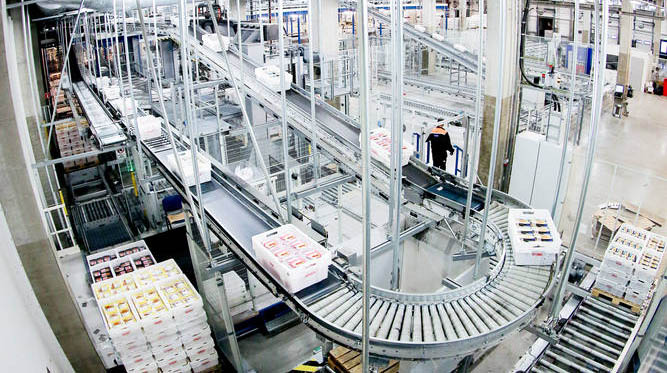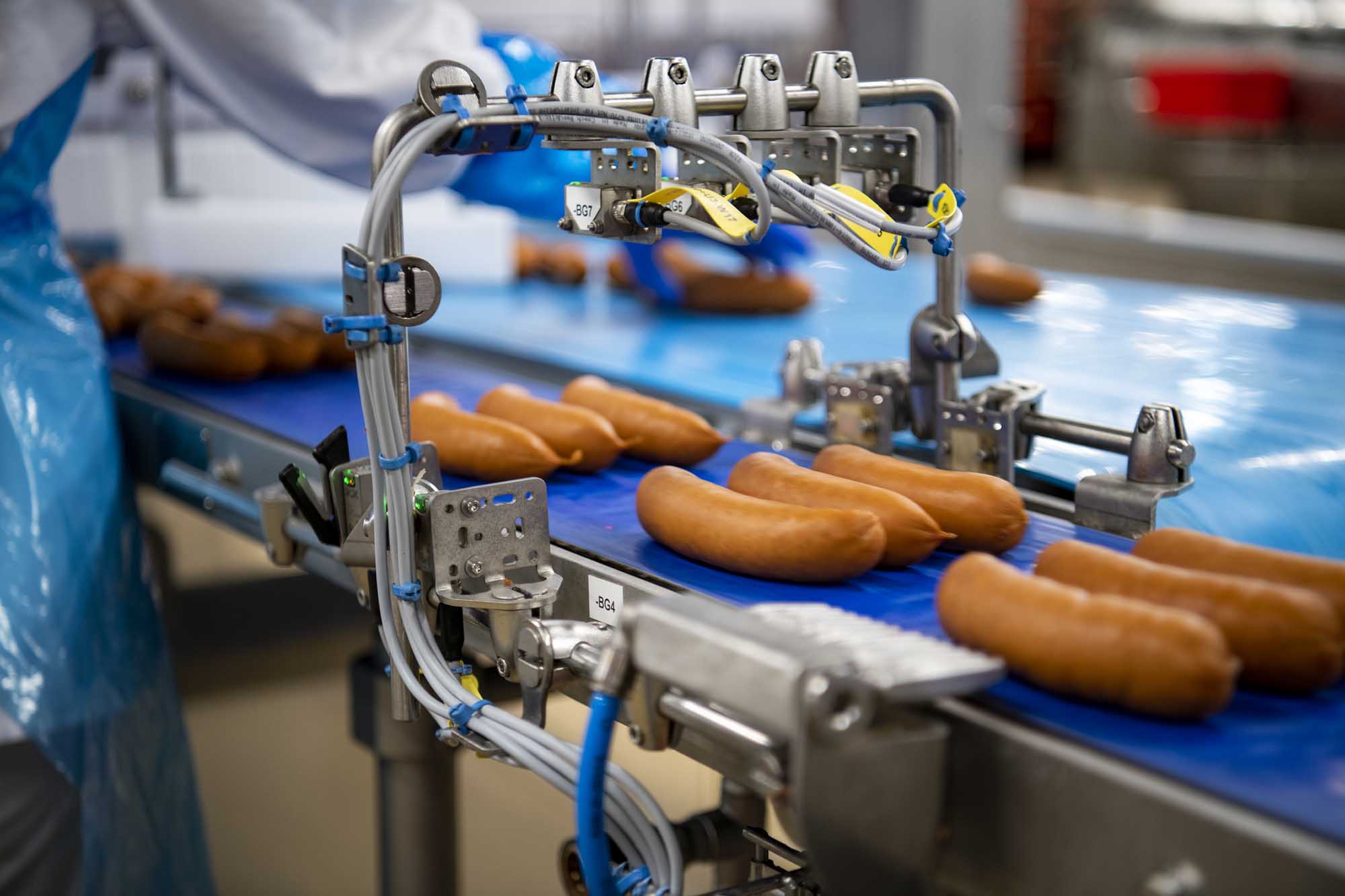


We promote energy and material efficiency and increase the use of renewable energy in our own production.
We produce food in our production facilities in Finland and Poland. Emissions from our own operations arise from our production processes, heating and cooling of facilities, and work-related travel. These emissions fall under GHG Protocol scope 1 and 2 levels.
In our responsibility programme for 2026–2028, our goal is to reduce the absolute Scope 1 and 2 emissions related to our own industrial operations and purchased energy by 42% from the 2022 baseline, in line with the short‑term targets approved by the Science Based Targets initiative (SBTi). The target also includes land‑use emissions related to the production of bioenergy raw materials and the carbon removals enabled by them.
The most significant emission reductions in our production facilities will be achieved by switching to lower‑emission energy sources for steam and heat production, such as biogas or electricity with guarantees of origin. In addition, greenhouse gas emissions will be reduced through improvements in energy efficiency, heat recovery, electrification of production equipment, and the adoption of lower‑emission refrigerants. We are committed to the measures outlined in the Energy Efficiency Agreement of the Confederation of Finnish Industries.
Sustainability programme 2026-2028 targets
| Programme target | Indicator | Target year |
| CLIMATE | ||
| Reducing greenhouse gas emissions by 2030 from 2022 levels in our own operations and value chain in accordance with the short-term targets approved by SBTi (Science Based Targets initiative) |
Absolute scope 1 and 2 GHG emissions from industrial operations and energy: -42% | 2030 |
| Indirect Scope 3 emissions from industrial operations: -42% (Includes Scope 3 categories: 3.1. Purchased services and goods, 3.3. Fuel‑ and energy‑related activities, 3.4 transportation and distribution in the value chain’s upstream 3.9 transportation in the value chain’s downstream, 3.15 Investments) |
2030 |