

Almost all of the meat raw material we use comes from our own contract farms. Our meat is produced in Finland, where strict laws and regulations guide animal welfare. Animal welfare is close to the heart of our farmers as it guarantees good growth and high-quality products. Thanks to our close cooperation with farmers, we know the origin of meat and the growing conditions of animals. Healthy animals are also a prerequisite for the producer’s profitable business.
We are committed to promoting the health, welfare and good treatment of production animals throughout all stages of our value chain and each animal’s entire life. Animal welfare is taken into account in HKFoods' Animal Welfare Policy, Code of Conduct and Supplier Code of Conduct.
We work closely with our contract farmers under supervised and continuously evolving collaboration. Animal welfare is ensured not only on farms, but also during transport and at slaughterhouses.
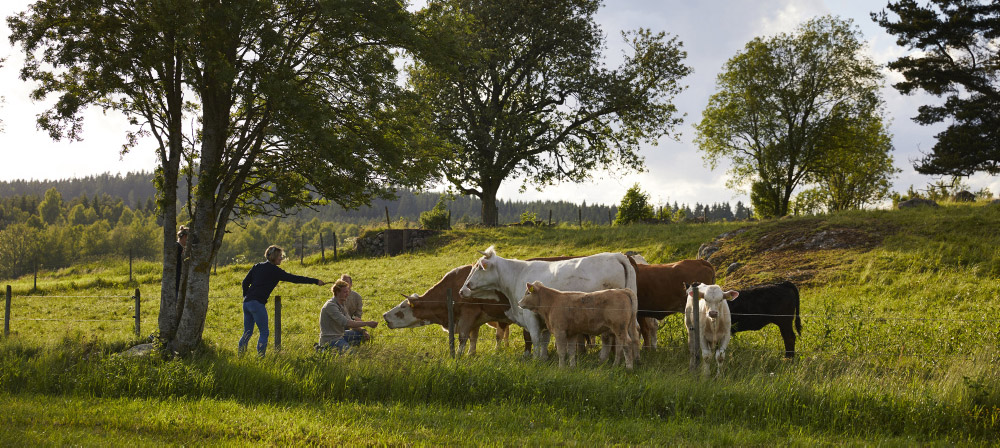
We acquire animals directly from our contract farmers and closely monitor animal welfare. Our farmer services provide guidance, training and various development programmes to support producers in animal welfare and feeding and in environmental aspects of farming. Our own vets visit the farms and help farmers in animal welfare issues.
We require our cattle and pig producers to be members of the Finnish national animal health care systems for cattle (Naseva) or pigs (Sikava), which promote animal welfare according to their respective standards.
We develop animal health and welfare together with our farmers in line with the Welfare Quality® principles:
- Good feeding: freedom from hunger and thirst
- Good housing: comfort around resting, thermal comfort, enough space to move around freely
- Good health: freedom from injuries and diseases, painless treatment
- Species-specific appropriate behaviour: social and other behaviours, good human-animal relationships, positive emotions
Have a look at HKFoods’ Animal Welfare Policy
Responsible use of antibiotics
Animals grow healthy in conditions that promote good disease prevention and well-being. In HKFoods' food chain, animals are treated with antibiotics only when they are ill, and only under the prescription and supervision of a veterinarian and in accordance with withdrawal periods. Therefore our products are always safe and antibiotic-free.
Antibiotics are not utilised at all in our food chain for growth promotion or disease prevention. The use of antibiotics and hormones for growth promotion is also forbidden base on Finnish legislation.
In other parts of the world, antibiotics and hormones can be used in animals also for growth promotion and disease prevention. These methods are forbidden at HKFoods, and the total use of antibiotics in our home markets is negligible by international standards.
For decades, we have been developing animal welfare on a long-term basis together with our producers. In Finland, animal welfare is governed by strict legislation and regulations, and biosecurity standards are high.
Animal welfare is reflected, for example, in the fact that chickens in our Kariniemen poultry chain are so healthy that no antibiotics have been necessary. As the use of antibiotics is strictly controlled and very limited, Finnish meat is a safe choice. Safety is further enhanced by adhering to the Sikava and Naseva standards in pork and beef.
Animal health is ensured through species-specific housing, good hygiene practices, professional methods and animal handling, and high-quality disease prevention.
Broiler foot pads and pig tails indicate welfare
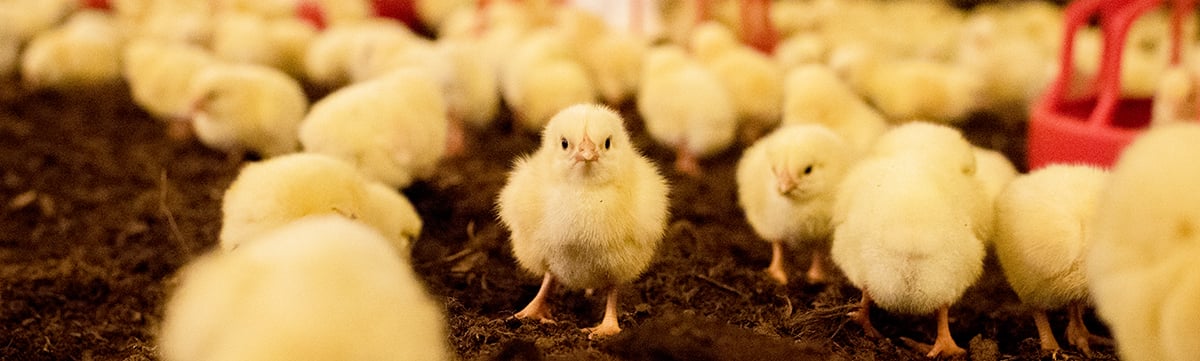
With broilers, welfare can be seen in foot pads. Healthy foot pads indicate healthy broilers raised in good conditions with fluffy litter. On our poultry farms, foot pad health is at a very good level. For example in 2021, 98.8% of the broiler flocks in our chain got a foot pad quality index of zero, assessed by a veterinarian, which is the best possible index reading.
Beak trimming is not practiced in any of our operating countries.
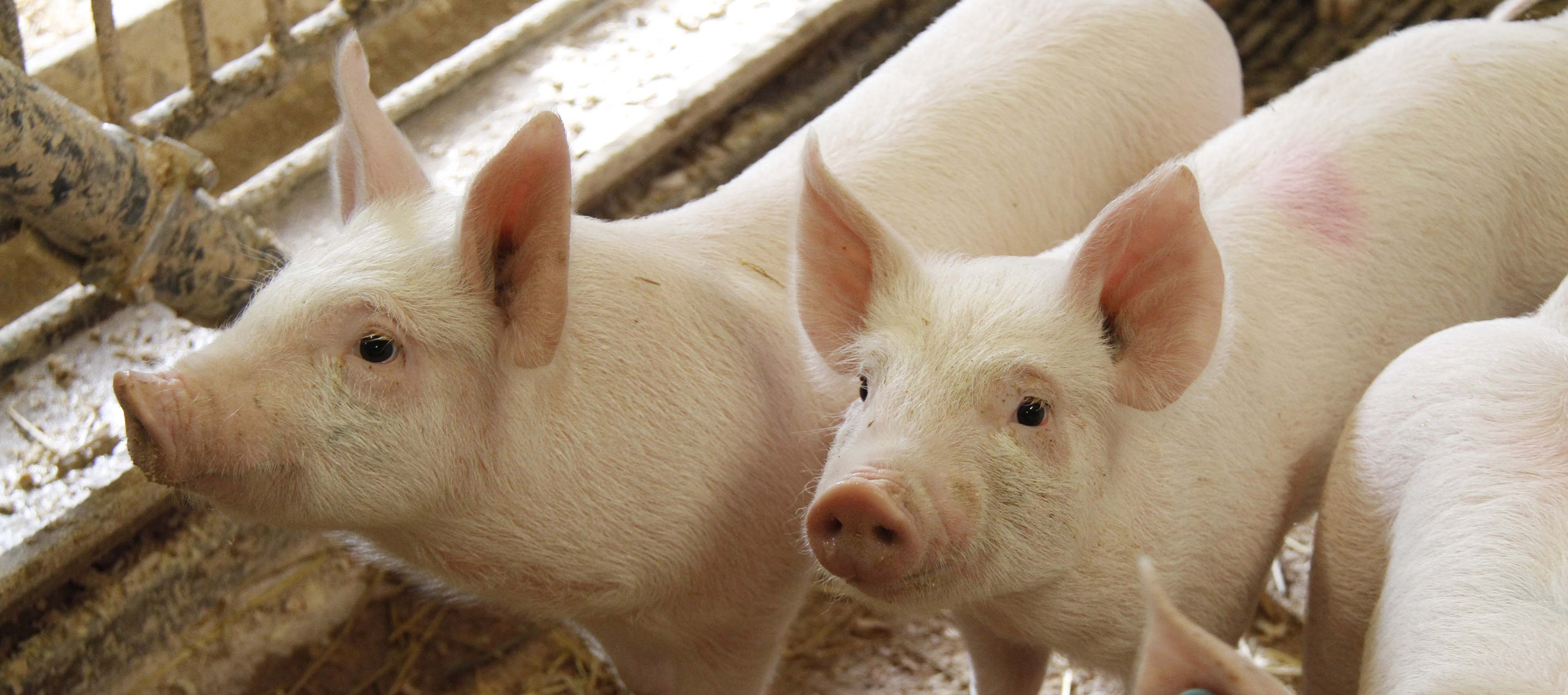
Pigs raised in Finland always have tails. Sounds obvious, but the reality is different: tail docking is routinely done in many countries. Tails indicate the welfare of pigs: a stressed pig can bite the tail of its mate.
Well growing animals
The quality and composition of feed significantly affect the growth and health of animals. Feed is mostly grown locally and its quality is closely monitored. In addition, the nutritional quality of feed is optimised to ensure good, balanced animal growth.
Top-notch disease prevention
Disease prevention in our meat production is world-class in all of our operating countries. The expertise of our farmers and strict operating guidelines and procedures guarantee that animals are healthy and our products are safe. Our production chain is committed to the prevention of animal diseases and we work closely with the authorities responsible for food safety.
Animal welfare guaranteed during transport as well
To be able to ensure animal welfare also during transport, we provide training to all our animal transport partners. Good, calm handling of animals during transport is important to ensure animal welfare, safety at work and high product quality. In addition to qualified drivers, we ensure animal welfare by using only vehicles designed and approved for the transport of animals. The authorities and HKFoods’ veterinarians monitor the transport of animals on a regular basis.
Supervising veterinary officers are present at all slaughterhouses, following the unloading of animals from the vehicle. The veterinarians follow the movement of animals, making sure they are healthy. In addition, slaughtering operations are constantly monitored through internal and external audits. There are recording surveillance cameras in all of our slaughterhouses.
Responsibility programme 2026-2028 targets
| ANIMAL WELFARE | Target year | 2025 | |
| Promoting broiler welfare, with footpad health as an indicator | Footpad score of broiler flocks max. 4/month (Calculated as the monthly average of all broiler flocks) |
Every year | 2.5 / month (2024: 2.5) |
| Continuous care for the health of broilers so that they can be raised without the use of antibiotics | 0 antibiotic treatments per flock (Calculated as the monthly average of all broiler flocks) |
Every year | 0 (2024: 0) |
| The welfare of pigs and cattle is promoted in accordance with the national healthcare schemes Sikava and Naseva | 100% of pigs are covered by the Sikava system and meet the requirements of the Sikava quality responsibility label. | Every year | 100% |
| 100% of pig farms receive an acceptable rating in the Sikava welfare index | 2026 | 94.0% | |
| 100% of cattle are covered by the Naseva system | 2027 | 96.6% | |
| Animal welfare during transport and at slaughterhouses is ensured in accordance with the development plan |
100% of audits and inspections to ensure animal welfare have been carried out in accordance with the plan for the years 2026–2028 | 2028 | The plan for animal transport and own slaughterhouse operations was drawn up for 2026–2028. Monitoring will start in 2026. |